
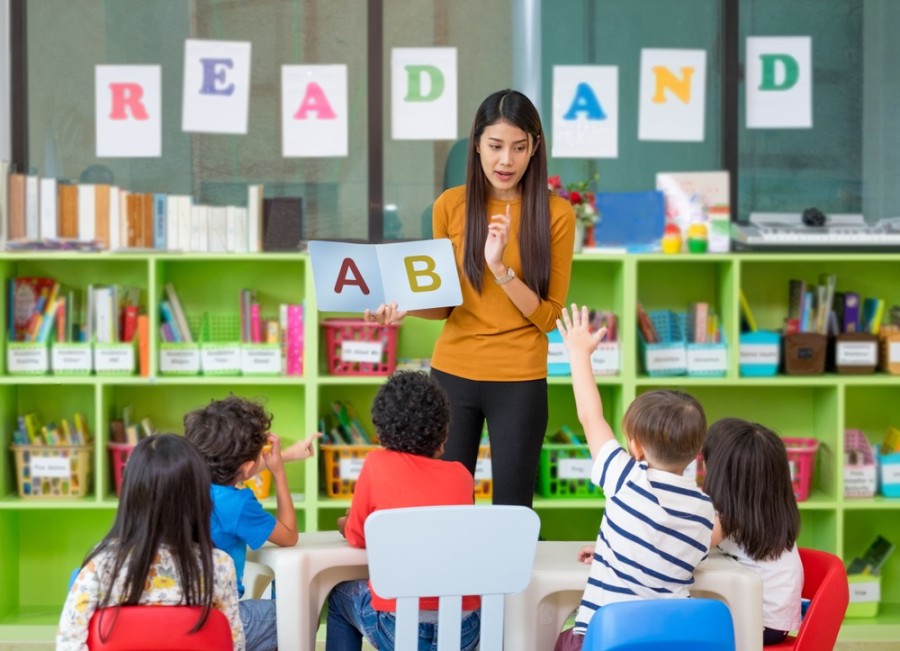
Playgroup Education plays a crucial role in the early developmental stages of a child’s life, laying the foundation for future academic success and social well-being. The early years are a critical period for cognitive and emotional growth, and providing children with the right environment can significantly enhance their long-term learning abilities. At this stage, children begin to understand their surroundings, develop essential skills, and cultivate social interactions that will guide them throughout their educational journey. With its focus on play-based learning, Playgroup Education offers a balanced approach to fostering creativity, communication, and collaboration.
The Importance of Early Learning
One of the primary goals of Playgroup Education is to help children develop fundamental skills that will serve them throughout their lives. During these formative years, children are introduced to a variety of activities that stimulate their imagination and critical thinking. Through guided play and structured activities, children begin to build cognitive, language, and motor skills that form the bedrock of later educational achievement.
The role of teachers in Playgroup Education is pivotal. They are not only responsible for delivering lessons but also for creating a nurturing environment where children feel safe to explore, ask questions, and learn through experience. These early experiences help children understand how to navigate the world around them, providing them with the confidence and curiosity needed for further learning.
Social and Emotional Development
Another significant benefit of Playgroup Education is its emphasis on social and emotional development. At this stage, children begin to engage with peers, learning how to share, cooperate, and resolve conflicts. These social interactions are essential for building emotional intelligence, as children start to understand their own feelings and the feelings of others.
The group setting also allows children to learn important skills such as empathy, communication, and teamwork. Through collaborative play, they learn how to express themselves, listen to others, and negotiate solutions. These interpersonal skills are not only valuable in early childhood but also set the stage for success in both academic and personal relationships throughout life.
Cognitive Growth Through Play
Play is a central component of Playgroup Education. Unlike traditional classroom settings, which often rely heavily on structured instruction, playgroup settings emphasize learning through exploration and creativity. Children in these settings have the freedom to engage with a variety of toys, games, and activities that promote problem-solving and critical thinking.
Through play, children are able to grasp basic mathematical concepts, develop their literacy skills, and practice fine and gross motor skills. Whether it’s counting blocks, listening to stories, or playing a game that requires physical coordination, every activity serves a purpose in stimulating cognitive growth. Moreover, the hands-on nature of play ensures that children are actively engaged in their learning, making it a more enjoyable and effective process.
Building Independence and Confidence
In Playgroup Education, children are encouraged to take ownership of their learning experience. This fosters a sense of independence and self-reliance, which is essential as they transition into more structured learning environments in later years. Whether it’s making decisions about which activity to participate in or solving a problem with a group, children begin to develop a sense of responsibility for their actions and choices.
Confidence is another key outcome of Playgroup Education. As children master new skills and navigate social interactions, they gain a sense of accomplishment. This, in turn, bolsters their self-esteem and motivates them to continue exploring and learning. The supportive environment created by educators helps children feel safe to take risks, which is crucial for fostering a growth mindset.
Readiness for Future Education
By focusing on holistic development, Playgroup Education ensures that children are well-prepared for the academic challenges they will face in primary school. The skills they acquire during this early stage—such as problem-solving, critical thinking, socialization, and emotional regulation—are directly applicable to their future educational experiences. They learn to follow instructions, work with others, and express themselves effectively, all of which are essential skills for academic success.
Additionally, Playgroup Education helps to instill a love for learning. By using creative and engaging methods to introduce new concepts, children develop a positive attitude toward education that will stay with them for years to come. This early enthusiasm for learning is a powerful motivator, encouraging children to remain engaged and curious as they progress through their academic careers.
The Role of Parents and Caregivers
While Playgroup Education plays a pivotal role in a child’s development, the involvement of parents and caregivers is equally important. Encouraging children to continue learning outside of the playgroup setting ensures that their development is nurtured consistently. Parents can reinforce lessons learned in playgroup by engaging in educational activities at home, such as reading, drawing, or exploring nature.
Furthermore, maintaining an open line of communication with educators helps parents stay informed about their child’s progress and challenges. This partnership between parents and educators ensures that children receive the support they need both at school and at home, fostering a well-rounded educational experience.
In Cocnlusion, Playgroup Education is an essential building block in the development of young children. Through its focus on play-based learning, it provides a platform for cognitive, social, and emotional growth, while also helping children develop the confidence and skills they need to succeed in future educational settings. By offering a nurturing and stimulating environment, Playgroup Education helps children build a solid foundation for lifelong learning, equipping them with the tools necessary to navigate the complexities of the world around them. As society continues to recognize the value of early childhood education, the benefits of Playgroup Education will undoubtedly resonate across generations.