
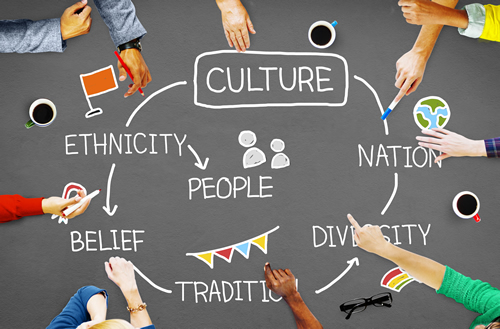
In a rapidly evolving world, Education and Culture play pivotal roles in shaping societies, fostering innovation, and promoting inclusivity. The relationship between these two spheres has profound implications for the future of individuals and communities alike. As the global landscape becomes more interconnected, the need for a harmonious integration of education with cultural awareness and understanding has never been more crucial. Bridging this gap offers new opportunities for personal growth, social cohesion, and societal progress.
The Role of Education in Cultural Understanding
Education serves as a gateway for individuals to explore and appreciate diverse cultures. It provides the tools needed to navigate the complexities of the world, fostering awareness and empathy. Through educational systems, students are exposed to a variety of worldviews, histories, and traditions that enrich their understanding of the global community. Whether through literature, history, art, or language studies, education offers a structured framework for learning about different cultures, encouraging open-mindedness and respect.
Moreover, the integration of cultural studies into curricula ensures that students not only gain academic knowledge but also develop a deeper understanding of the nuances that define various societies. In this sense, Education and Culture are inextricably linked, as cultural awareness enhances the educational experience and prepares students to thrive in a multicultural world. By embracing diversity, educational institutions cultivate environments where inclusivity and understanding are prioritized, helping to break down stereotypes and prejudices.
The Influence of Culture on Educational Systems
Conversely, culture significantly shapes educational practices and systems. In different regions of the world, educational methods, priorities, and philosophies are influenced by historical and cultural contexts. What may be considered effective teaching in one culture may not hold the same value in another. Understanding these cultural variations is essential for creating educational systems that are both relevant and effective.
In some cultures, education emphasizes collective learning, collaboration, and community-based approaches, while others may focus more on individual achievement and competition. Recognizing these differences helps policymakers and educators tailor their approaches to meet the unique needs of their students. This cultural adaptability in education ensures that it remains effective, regardless of geographic or cultural boundaries.
The richness of cultural diversity in the classroom also enhances the learning experience. Students from varied backgrounds contribute unique perspectives that can deepen discussions and foster a global outlook. When students from different cultural contexts engage with one another, they not only learn academic content but also gain invaluable insights into different ways of thinking and problem-solving. In turn, this cross-cultural exchange strengthens their ability to collaborate and innovate in an increasingly interconnected world.
Cultural Heritage and Its Role in Shaping Education
Cultural heritage plays an integral part in the educational process. The preservation and teaching of cultural traditions, languages, and practices ensure that future generations remain connected to their roots while embracing the advancements of the modern world. This dual approach of preserving heritage while engaging with contemporary knowledge equips students to navigate the complexities of a globalized society.
By learning about their own cultural heritage, students develop a sense of pride and identity. This self-awareness fosters confidence, resilience, and a sense of belonging, which are essential qualities for personal and professional success. Additionally, cultural heritage education encourages students to respect and value the histories and traditions of others, promoting cross-cultural dialogue and collaboration.
Education as a Catalyst for Cultural Innovation
Education is not only a means of preserving culture but also a tool for cultural innovation. As students engage with new ideas, technologies, and global perspectives, they contribute to the evolution of culture itself. The exchange of ideas and experiences, facilitated by education, fosters creativity and encourages the blending of traditional practices with contemporary innovations.
Through collaborative educational initiatives, individuals from different cultural backgrounds can create solutions to global challenges, blending local knowledge with cutting-edge technology. This fusion of cultural wisdom and modern innovation is essential for addressing the complex issues of the 21st century, from climate change to social justice.
Overcoming Barriers to Integration
While the integration of Education and Culture offers immense potential, there are still barriers to achieving a truly inclusive educational system. These barriers may include language differences, cultural stereotypes, and a lack of resources to implement culturally responsive teaching methods. Addressing these challenges requires a concerted effort from governments, educators, and communities.
One of the most effective ways to overcome these obstacles is through inclusive curricula that reflect the diverse cultural backgrounds of students. By integrating a variety of cultural perspectives into educational materials, schools can provide students with a more comprehensive and balanced understanding of the world. Furthermore, fostering a learning environment where cultural differences are celebrated, rather than tolerated, creates a space where all students can thrive.
The Path Forward
In conclusion, the relationship between Education and Culture is critical to the development of a more inclusive and innovative future. By fostering cultural awareness and understanding within educational systems, societies can build bridges that connect people across borders and promote shared progress. As the world continues to evolve, the need for education that embraces cultural diversity will remain paramount in shaping a better, more connected global community.
The path forward lies in recognizing the value of cultural exchange and ensuring that educational institutions remain adaptable and inclusive. By prioritizing both the preservation of cultural heritage and the adoption of new ideas, we can create an educational system that not only prepares students for the future but also helps shape the future itself.